
The Stone Lotus: Why Borobudur is More Than Just a Monument
There is a specific moment at Borobudur, usually around 5:00 AM, when the line between the earth and the sky simply vanishes. As the mist clings to the Kedu Plain and the jagged silhouettes of the surrounding volcanic giants—Merapi and Merbabu—begin to emerge, you realize that you aren't just standing on a building. You are standing on a prayer carved into two million blocks of volcanic stone.
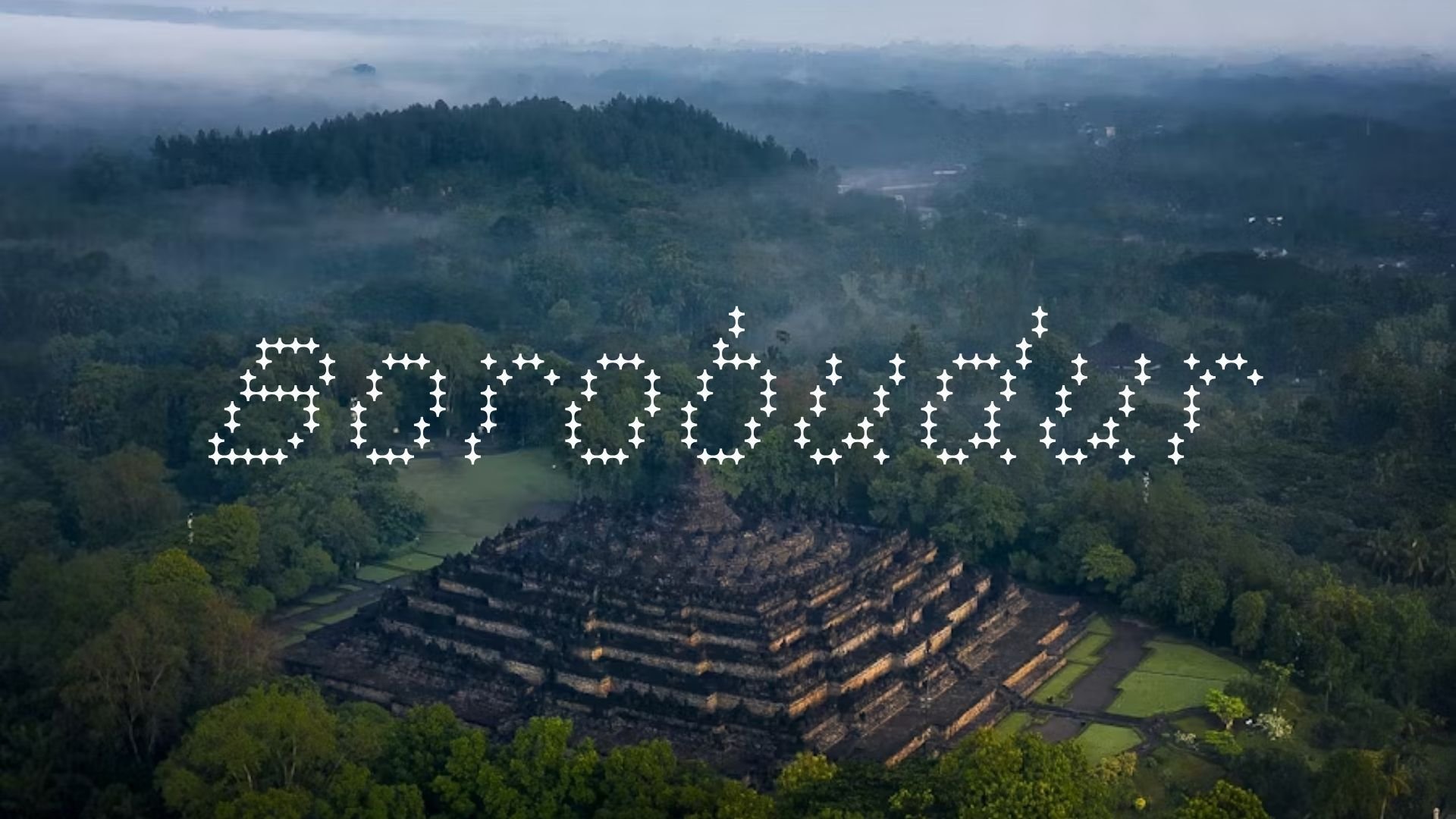
At Hyperlocal Indonesia, we believe that to understand Java, you have to understand the gravity of Borobudur. It is the largest Buddhist temple in the world, yes, but more importantly, it is a three-dimensional map of the human soul’s journey toward enlightenment.
A Cosmic Map in the Heart of Java
Built in the 8th and 9th centuries by the Sailendra Dynasty, Borobudur was designed to be walked. It is a massive stupa that acts as a path. As you climb through its nine levels, you are physically moving through the three levels of Buddhist cosmology:
Kamadhatu (The World of Desire): Where the base reliefs show the struggles of everyday human life.
Rupadhatu (The World of Forms): Where the architecture becomes more structured and the carvings more refined.
Arupadhatu (The World of Formlessness): The circular upper terraces where the ornate carvings disappear, replaced by 72 bell-shaped stupas housing silent Buddhas looking out over the horizon.
The Hyperlocal Context: Mist and Volcanoes
What makes Borobudur truly "Hyperlocal" isn't just the stone; it’s the setting. The temple was built at the confluence of two rivers and in the shadow of active volcanoes. This isn't a static museum piece; it is a living part of a landscape that is constantly shifting.
The air here carries the scent of damp earth and tropical vegetation. Even with the crowds that inevitably gather, there is a heavy, ancient silence that sits in the galleries. You feel the weight of the centuries in the cool touch of the andesite stone—stone that was lost to the jungle and volcanic ash for hundreds of years before being rediscovered.
How to Experience the Silence
To truly see Borobudur, you have to look past the "iconic" photo.
Look at the Reliefs: There are over 2,600 relief panels. If you look closely, you’ll see the details of Javanese life from 1,200 years ago—the ships, the markets, the flora and fauna.
The Golden Hour: The light at sunrise doesn't just illuminate the temple; it animates it. The shadows in the stupas move, making the stone Buddhas seem almost breath-like.
Beyond the Gates: Spend time in the surrounding villages of Magelang. The "Hyperlocal" beauty of Borobudur is best understood when you see the local farmers working the same fields that have surrounded this temple for a millennium.
Borobudur is not a place you visit to check off a list. It is a place you visit to remember what it feels like to be small in the presence of something eternal.
