
Inside Colombia's Coffee Cultural Landscape
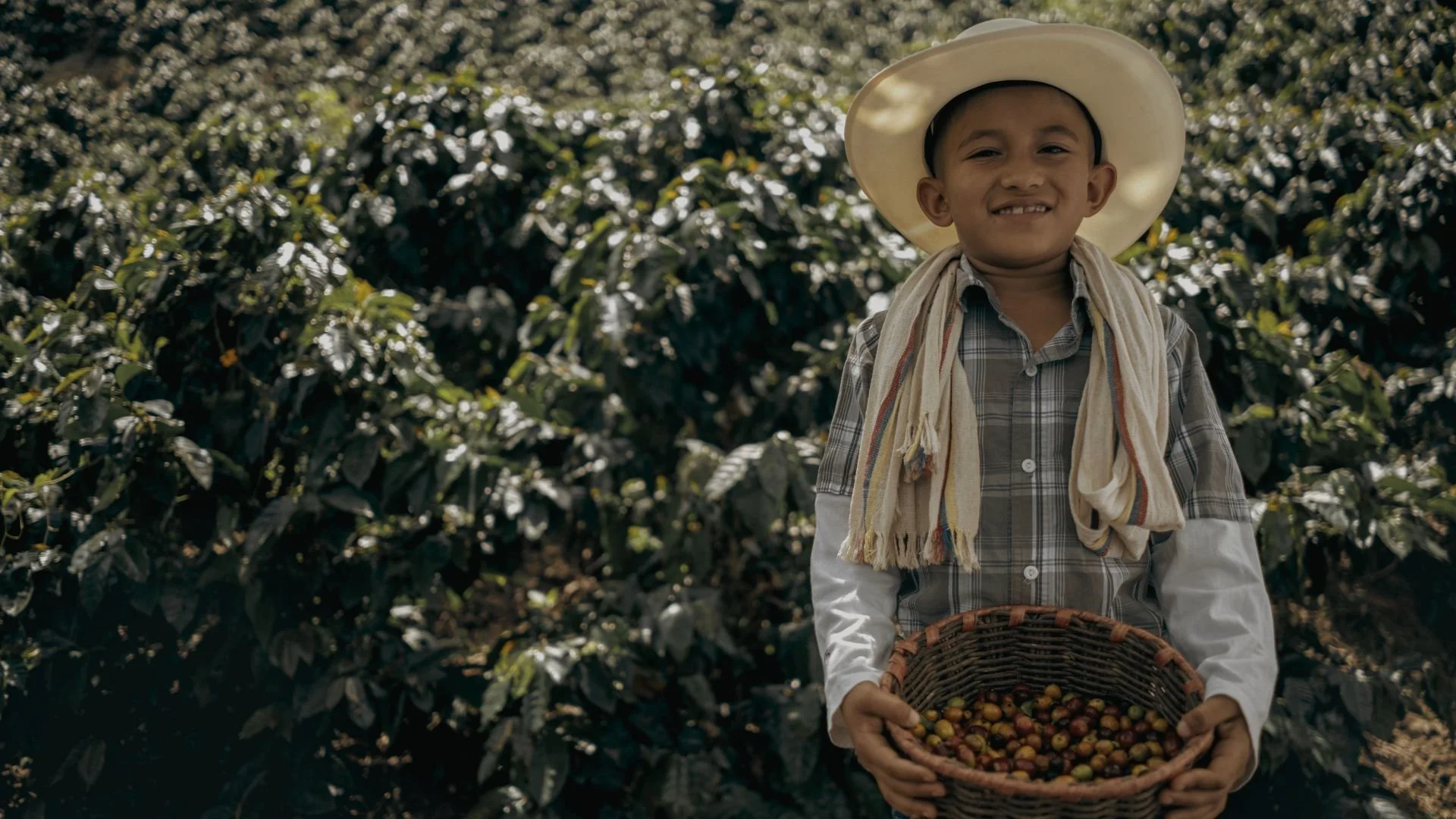
Coffee may be Colombia's most famous export, but the country's relationship with coffee extends far beyond what ends up in a cup.
Across the Andean mountains, coffee has shaped communities, economies, landscapes, and traditions for generations. It has influenced how towns developed, how families worked, and how entire regions built their identities.
The Coffee Cultural Landscape of Colombia reflects this history.
Recognized by UNESCO, the region encompasses a network of mountain communities where coffee production remains deeply connected to local life. Rolling hills covered with coffee plants stretch across the landscape, interrupted by colorful towns, family farms, and winding roads that connect communities spread across challenging terrain.
The geography plays a crucial role.
High elevations, volcanic soils, reliable rainfall, and moderate temperatures create ideal conditions for coffee cultivation. These natural advantages have helped establish Colombia as one of the world's most respected coffee-producing nations.
Yet nature alone cannot explain the region's reputation.
Behind every harvest are generations of expertise.
Families have passed down cultivation methods, harvesting practices, and agricultural knowledge through decades of experience. Much of the work remains labor intensive, requiring careful attention to quality at every stage of production.
This commitment to craftsmanship has become part of Colombia's global identity.
Around the world, Colombian coffee is associated with consistency and quality. What consumers often overlook, however, is the human effort that makes that reputation possible.
The Coffee Cultural Landscape provides a reminder that agricultural products do not emerge from factories. They emerge from places.
Places shaped by weather, tradition, history, and people.
Visitors who travel through the region quickly discover that coffee is only one part of the experience. Local architecture reflects the area's agricultural heritage. Community festivals celebrate traditions connected to the harvest. Markets, restaurants, and public spaces reveal how deeply coffee remains integrated into daily life.
Like many agricultural regions, the landscape also faces challenges.
Climate change, fluctuating commodity prices, labor shortages, and demographic shifts continue to influence the future of coffee production. Younger generations often weigh the opportunities of urban life against the responsibility of maintaining family farms.
Many producers have responded through innovation.
Specialty coffee, sustainable farming practices, agritourism, and direct-to-consumer relationships are helping communities create new opportunities while preserving longstanding traditions.
This balance between adaptation and preservation may be one of the region's greatest strengths.
For Hyperlocal World, Colombia's Coffee Cultural Landscape offers an important lesson.
Global recognition often begins with local identity.
The world celebrates Colombian coffee because generations of communities remained committed to a craft deeply rooted in place.
Every cup carries that story.
And every story begins in the mountains.
