
The Vertical Axis: Why the Eiffel Tower Never Loses Its Impact
In 1889, it was supposed to be temporary. A "tragic street lamp" made of puddled iron. Yet, over a century later, the Eiffel Tower hasn't just survived; it has become the vertical axis around which the entire world’s perception of Paris rotates.
At Hyperlocal France, we find that the "Iron Lady" is often reduced to a postcard cliche. But to stand at its base is to feel a different kind of energy. It is an industrial masterpiece that somehow feels as delicate as lace, a structure that turned a city into a symbol.
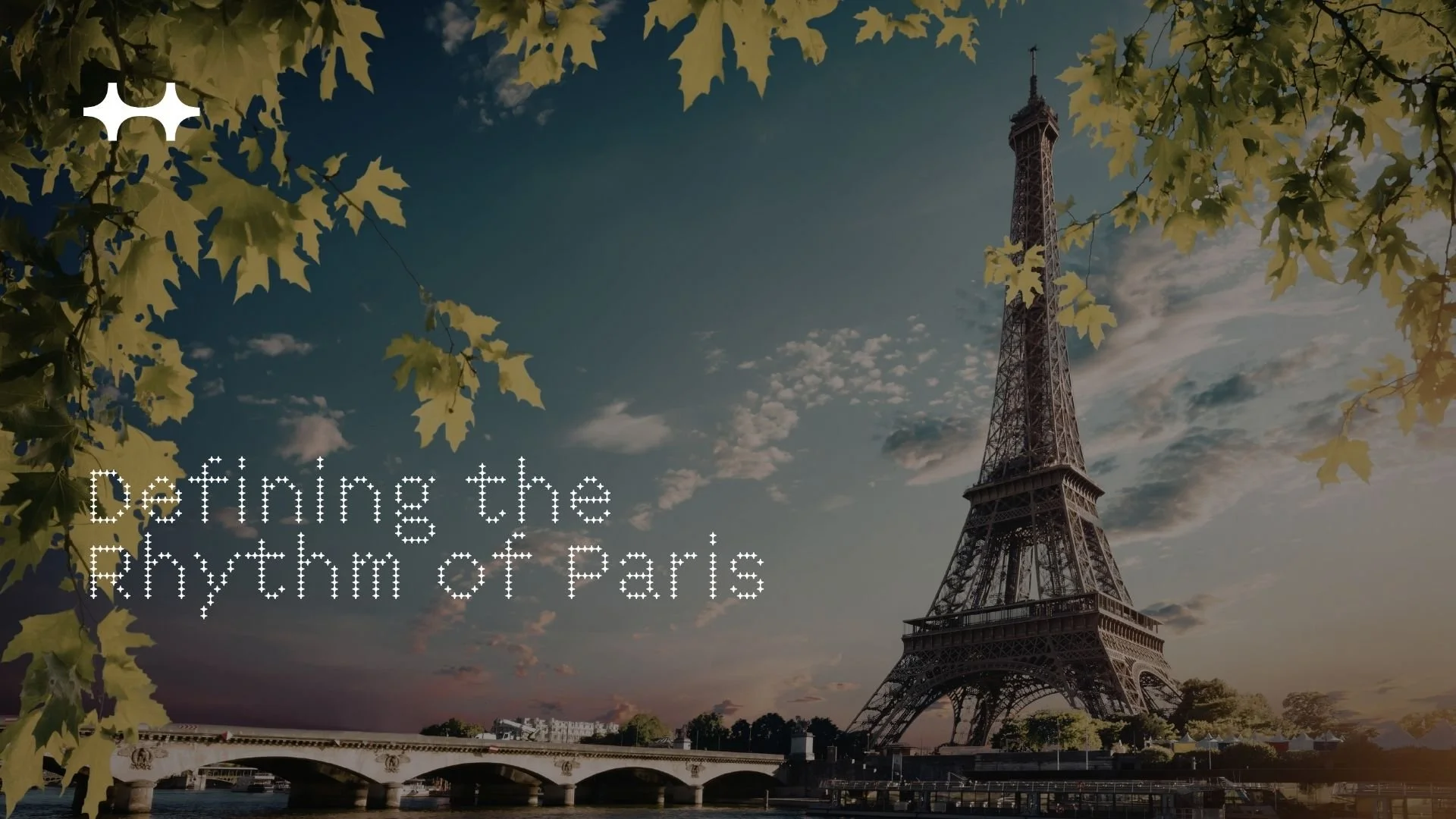
A Presence That Changes with the Light
The Tower never has the same face twice.
In the morning: It is a stoic, bronze giant standing against the soft Parisian grey.
At sunset: The iron begins to glow, absorbing the pinks and golds of the Seine.
At night: It becomes a beacon. When the clock strikes the hour and the five-minute sparkle begins, the industrial weight of the tower vanishes, replaced by something purely ethereal.
Defining the Rhythm of Paris
Whether you are looking at it from a rooftop in the 11th arrondissement or standing directly beneath the 18,000 iron parts, the Tower dictates the rhythm of the city. It is the landmark that turned Paris into the most recognizable city in the world, not just because of its height, but because of its permanence.
In a city that prides itself on its history, the Eiffel Tower is the bridge between the industrial past and the romantic future. It never loses its impact because it never stops being exactly what Paris needs it to be: a North Star made of iron.
