
Life in Montevideo
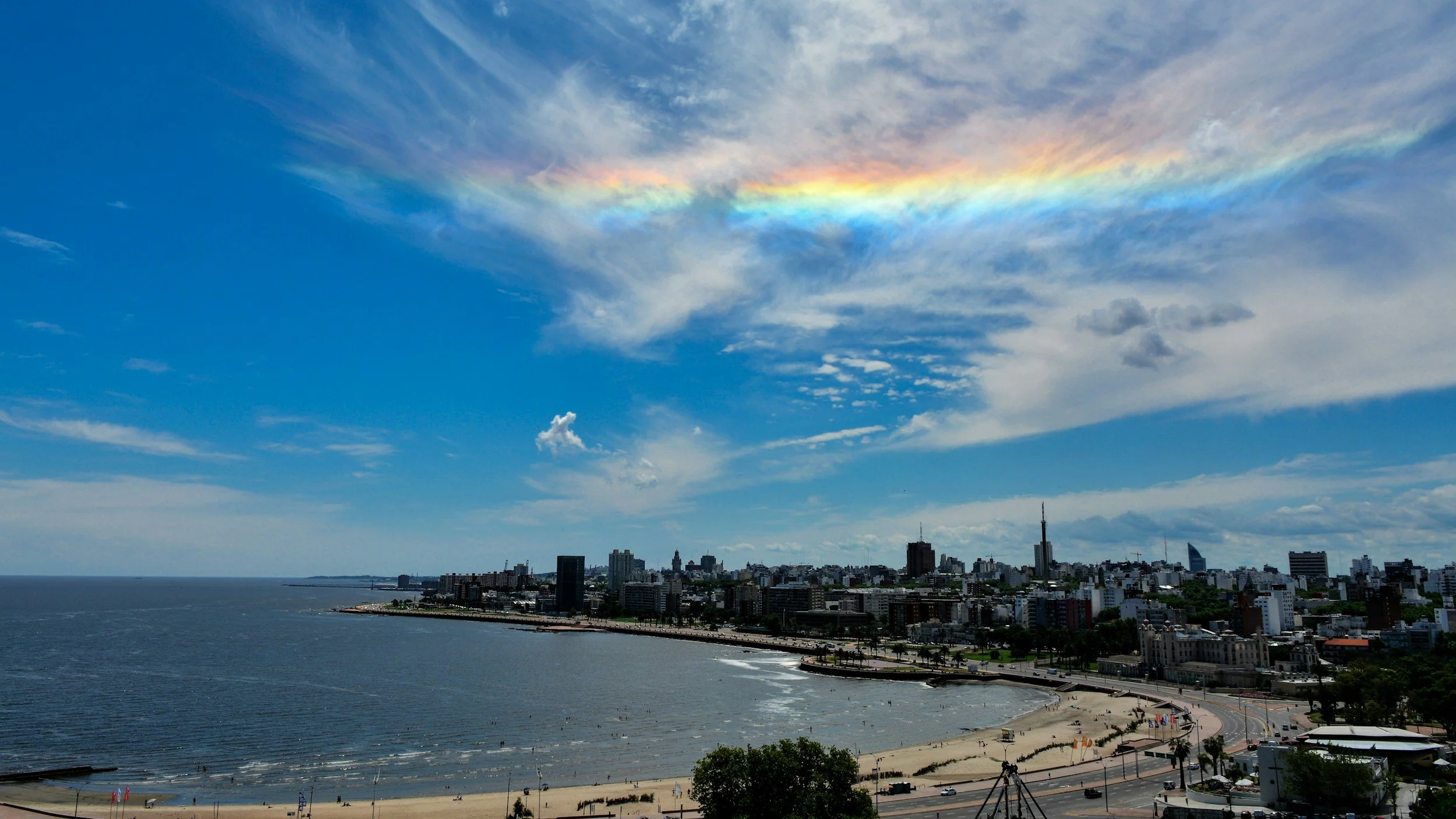
In an era when many cities compete to be faster, bigger, and louder, Montevideo stands apart.
Uruguay's capital embraces a different rhythm. Set along the shores of the Río de la Plata, Montevideo is a city where coastal landscapes, historic neighborhoods, and everyday life blend into a calm, unhurried urban experience.
Rather than chasing constant growth or spectacle, Montevideo offers something increasingly rare: balance. Residents and visitors alike are drawn to its walkable streets, relaxed atmosphere, and strong sense of community. It is a capital city that moves at its own pace, and that pace has become part of its identity.
Understanding Montevideo's Unique Character
As the political, economic, and cultural center of Uruguay, Montevideo is home to nearly half of the country's population. Yet despite its importance, the city retains a distinctly human scale.
Unlike many major capitals, Montevideo avoids overwhelming congestion and rapid urban intensity. The city feels accessible, approachable, and deeply connected to its surroundings.
This balance between urban infrastructure and quality of life has helped establish Montevideo as one of South America's most livable cities.
The Influence of the Coast
One of Montevideo's defining features is its relationship with the water.
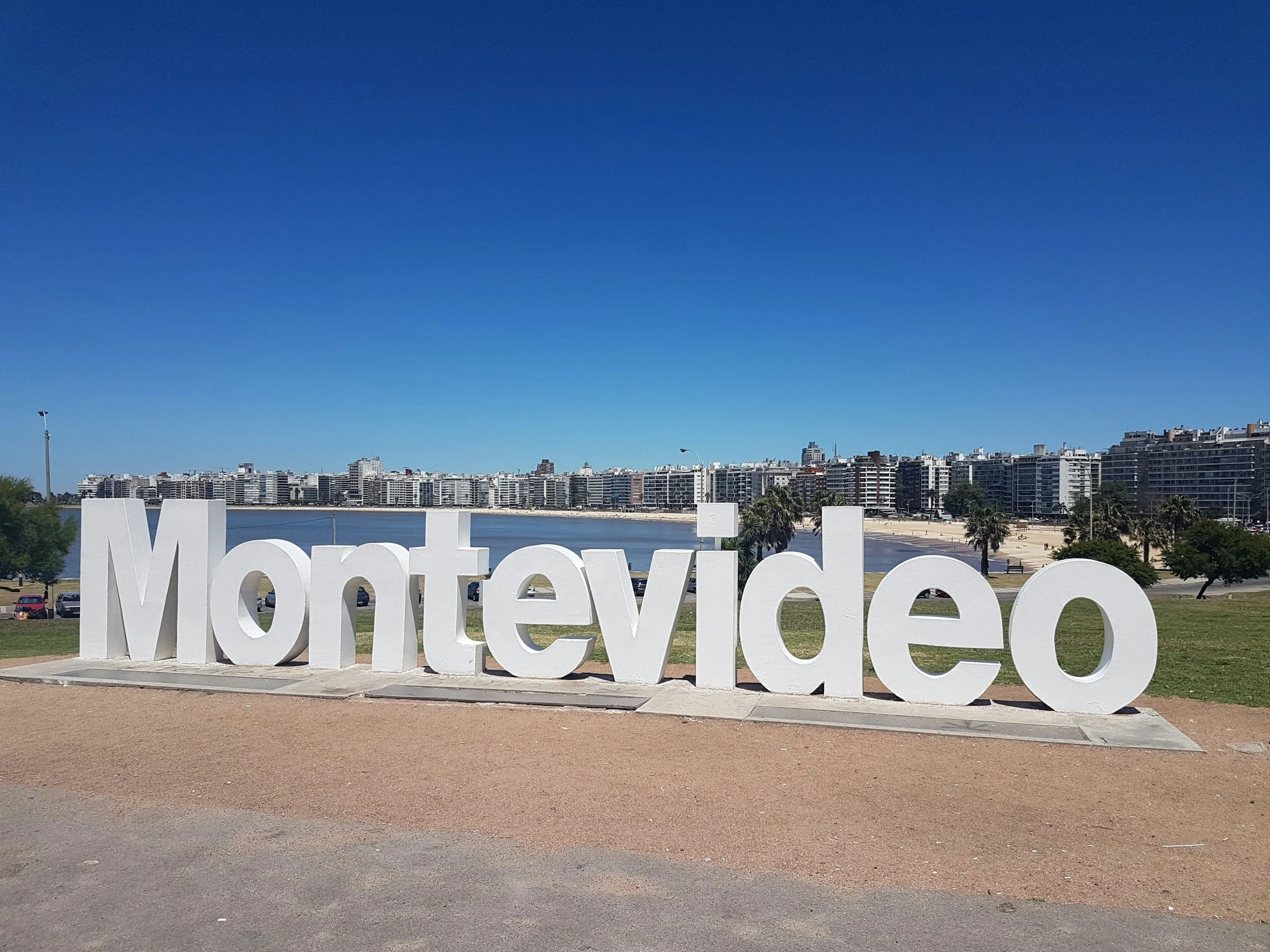
The city's famous Rambla stretches for more than 20 kilometers along the coastline, serving as a gathering place for walkers, cyclists, runners, families, and friends.
The waterfront is more than a scenic attraction. It functions as a public space that shapes daily life. Residents often spend evenings watching sunsets, sharing mate, exercising, or simply enjoying the open views across the Río de la Plata.
Why Coastal Cities Feel Different
Coastal environments often influence how communities interact and develop.
In Montevideo, the coast contributes to:
A relaxed lifestyle
Strong public-space culture
Outdoor recreation opportunities
Greater connection between neighborhoods
A slower, more social pace of life
These elements help create an urban atmosphere that feels both vibrant and calm.
A City Built Around Everyday Living
Many global cities are designed around efficiency and constant activity. Montevideo places greater emphasis on everyday experiences.
Neighborhood cafés remain social hubs. Local markets connect residents to regional products. Public squares encourage interaction and community engagement.
This approach reflects Uruguay's broader cultural values, where quality of life often takes precedence over speed and scale.
Neighborhoods That Define the City
Several districts showcase Montevideo's character:
Ciudad Vieja
The historic heart of the city, featuring colonial architecture, cultural institutions, and public plazas.
Pocitos
A popular coastal neighborhood known for its beach, residential charm, and vibrant local businesses.
Carrasco
An elegant district combining green spaces, historic architecture, and a relaxed suburban atmosphere.
Cordón
A growing cultural and creative hub filled with bookstores, cafés, and independent businesses.
Together, these neighborhoods create a diverse yet cohesive urban landscape.
The Role of Culture in Montevideo's Identity
Montevideo's cultural life is deeply rooted in local traditions.
The city is widely recognized for:
Tango heritage
Candombe music and drumming traditions
Literary culture
Public festivals
Independent arts communities
Rather than existing separately from everyday life, culture is woven into the streets, neighborhoods, and public spaces that residents interact with daily.
This integration creates an authentic cultural experience that feels lived rather than curated.
Lessons from Montevideo's Hyperlocal Identity
From a hyperlocal perspective, Montevideo demonstrates how place identity emerges from everyday experiences rather than iconic landmarks alone.
The city's appeal comes from:
Walkable neighborhoods
Community-centered public spaces
Local businesses
Strong cultural traditions
Consistent quality of life
These factors create a sense of belonging that visitors often notice immediately.
For urban planners, local marketers, and place-branding professionals, Montevideo offers an example of how cities can build strong identities through authenticity rather than scale.
Why Montevideo Continues to Attract Global Attention
As remote work, lifestyle migration, and quality-of-life considerations influence relocation decisions, cities like Montevideo are gaining recognition.
People increasingly seek places that offer:
Safety
Accessibility
Community
Cultural richness
Work-life balance
Montevideo delivers many of these qualities while maintaining its distinctive local character.
Key Takeaways
Montevideo is a capital city defined by coastal living and cultural authenticity.
The city's slower pace contributes significantly to its quality of life.
Public spaces, local neighborhoods, and cultural traditions shape its identity.
The waterfront plays a central role in daily life and community interaction.
Montevideo serves as a strong example of successful hyperlocal urban character.
Conclusion
Montevideo does not rely on constant motion to define itself. Instead, its identity emerges from the everyday experiences of its residents, its connection to the coast, and its commitment to a balanced way of life.
In a world increasingly focused on speed, Montevideo reminds us that some of the most memorable cities are those that know exactly who they are and see no reason to rush.
