
The Passage That Changed Trade
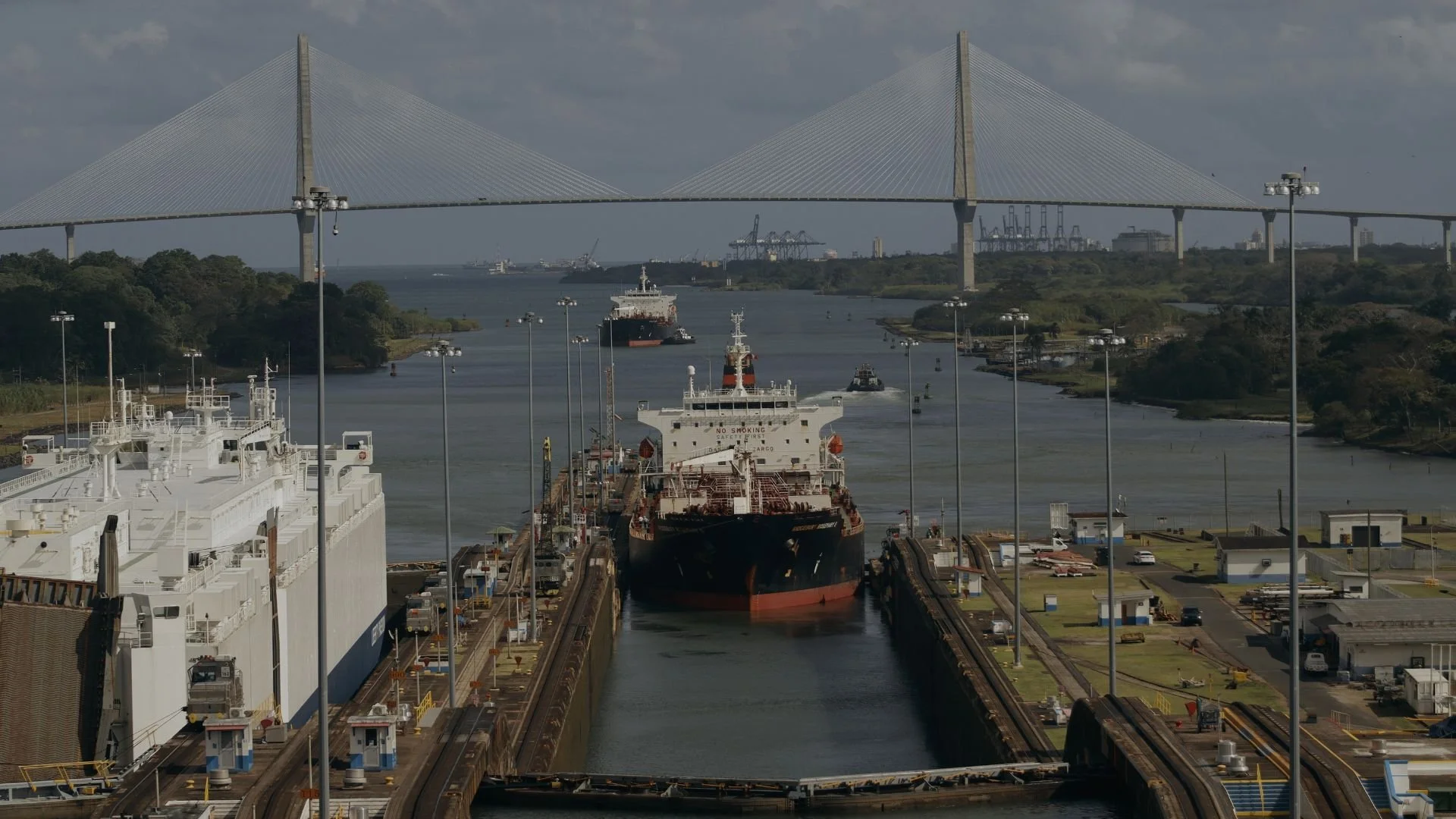
From above, the Panama Canal appears almost impossibly simple: a waterway connecting two oceans. Yet behind that simplicity lies one of the most ambitious engineering achievements in modern history.
Before the canal opened in 1914, ships traveling between the Atlantic and Pacific Oceans faced a long and dangerous journey around South America's Cape Horn. The new route dramatically reduced travel times, reshaping international shipping and global commerce.
Today, crossing the Panama Canal remains an experience that reveals the scale of human ingenuity. Massive vessels move through a carefully designed system of locks that lifts and lowers ships across varying elevations. What seems routine now was once considered an engineering challenge beyond reach.
For Panama, the canal is far more than infrastructure. It is woven into the country's identity. The waterway transformed a small nation into one of the world's most strategically important crossroads, linking continents, economies, and cultures.
The communities surrounding the canal have grown alongside its success. Ports, logistics hubs, businesses, and tourism have all developed around a route that handles thousands of vessels every year. Its influence extends far beyond shipping lanes, shaping jobs, investment, and national development.
The canal also tells a story about global cooperation. Engineers, laborers, and workers from around the world contributed to a project that continues to serve international trade more than a century later.
In an age of digital connections, the Panama Canal remains a reminder that physical connections still matter. Every ship that passes through carries goods, resources, and products that link people across oceans.
More than an engineering marvel, the canal is a living symbol of how geography, innovation, and human ambition can reshape the world.
