
Boracay: The Gold Standard
There is a global tendency to dismiss places that become "too famous." In the Philippines, that place is Boracay. Critics call it overdeveloped; purists say it’s lost its soul. But then you step onto White Beach at 5:30 PM, and the argument dies. There is a reason this seven-kilometer bone-shaped island is the "Queen." It isn't just the scenery; it’s the physical, tactile quality of the earth here.
The Physics of the Powder
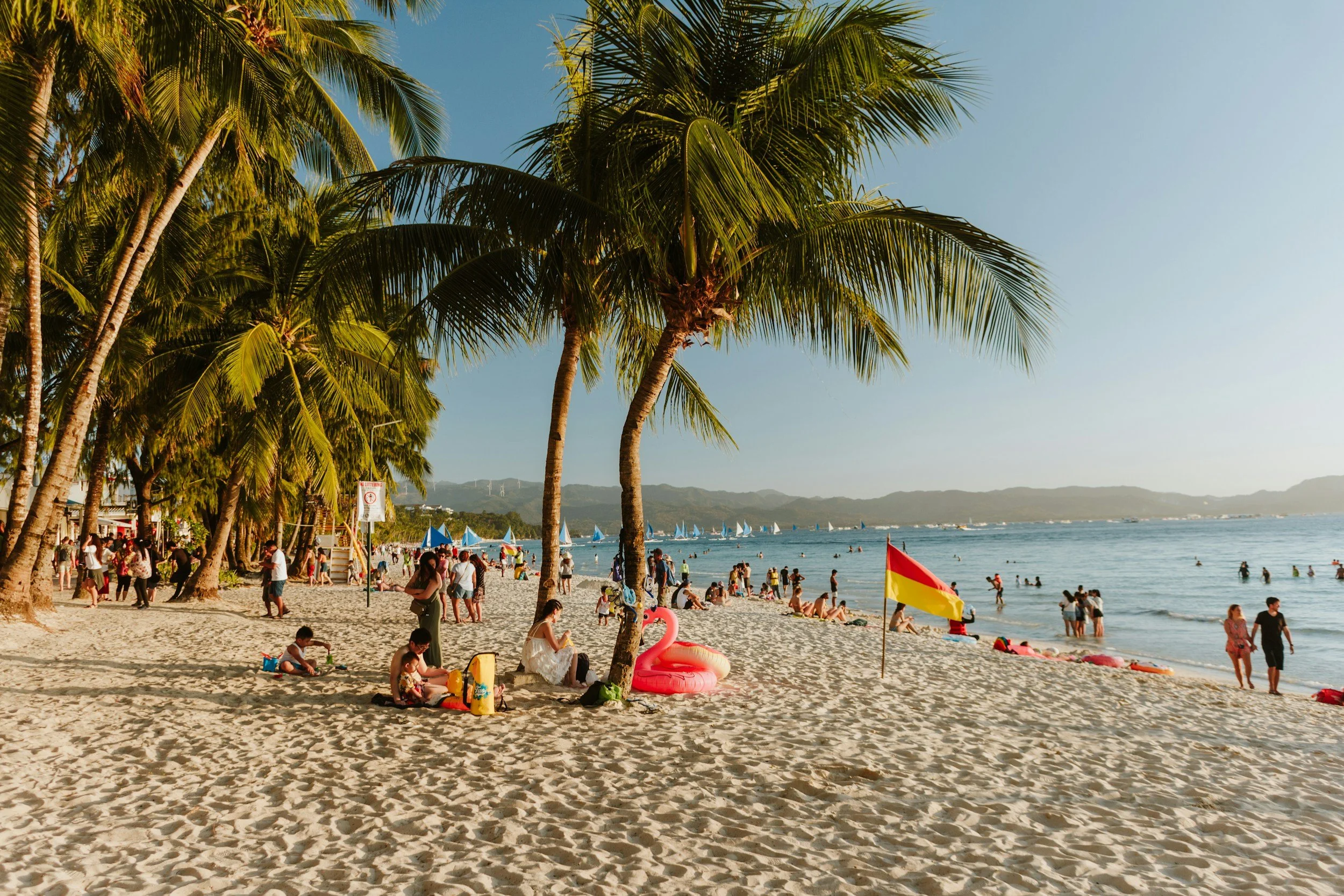
The sand on Boracay’s White Beach is a geological freak of nature. It isn't just "white"—it is a calcium carbonate powder so fine that it behaves differently than any other beach on the planet. It doesn’t absorb heat. You can walk on it in the middle of a 38°C April afternoon, and it feels cool, almost liquid, under your feet. It is 4km of flour-like silica that transitions into a turquoise water so clear it looks like it was rendered in a lab. You can find "quieter" islands in Palawan or Siargao, but you won't find this specific texture anywhere else.
The Rebirth
To understand Boracay today, you have to remember 2018. The island was famously shuttered for six months—a state-mandated "rest" to fix decades of environmental neglect. It was a radical move that worked. The Boracay that emerged is different. It’s more regulated, the beachfront is wider, and the water is cleaner than it has been in thirty years. The "Hyperlocal" reality of the island is this tension between being a global party destination and a fragile ecosystem that proved nature can heal if you actually leave it alone.
The Golden Hour Ritual
The sunset in Boracay is a ritual that stops the entire island. Because the beach faces due west, the sky doesn't just change color; it ignites. The Paraws—traditional double-outrigger sailboats—create black silhouettes against a sky that turns from violet to neon orange. This is the moment where the "hype" becomes irrelevant. Whether you’re sitting at a high-end resort in Station 1 or standing in the crowds of Station 2, the scale of the beauty is the same. Boracay doesn't need to apologize for being popular. It is the gold standard of the Visayas because, quite simply, nothing else looks like it.
