
A Country of Contrasts
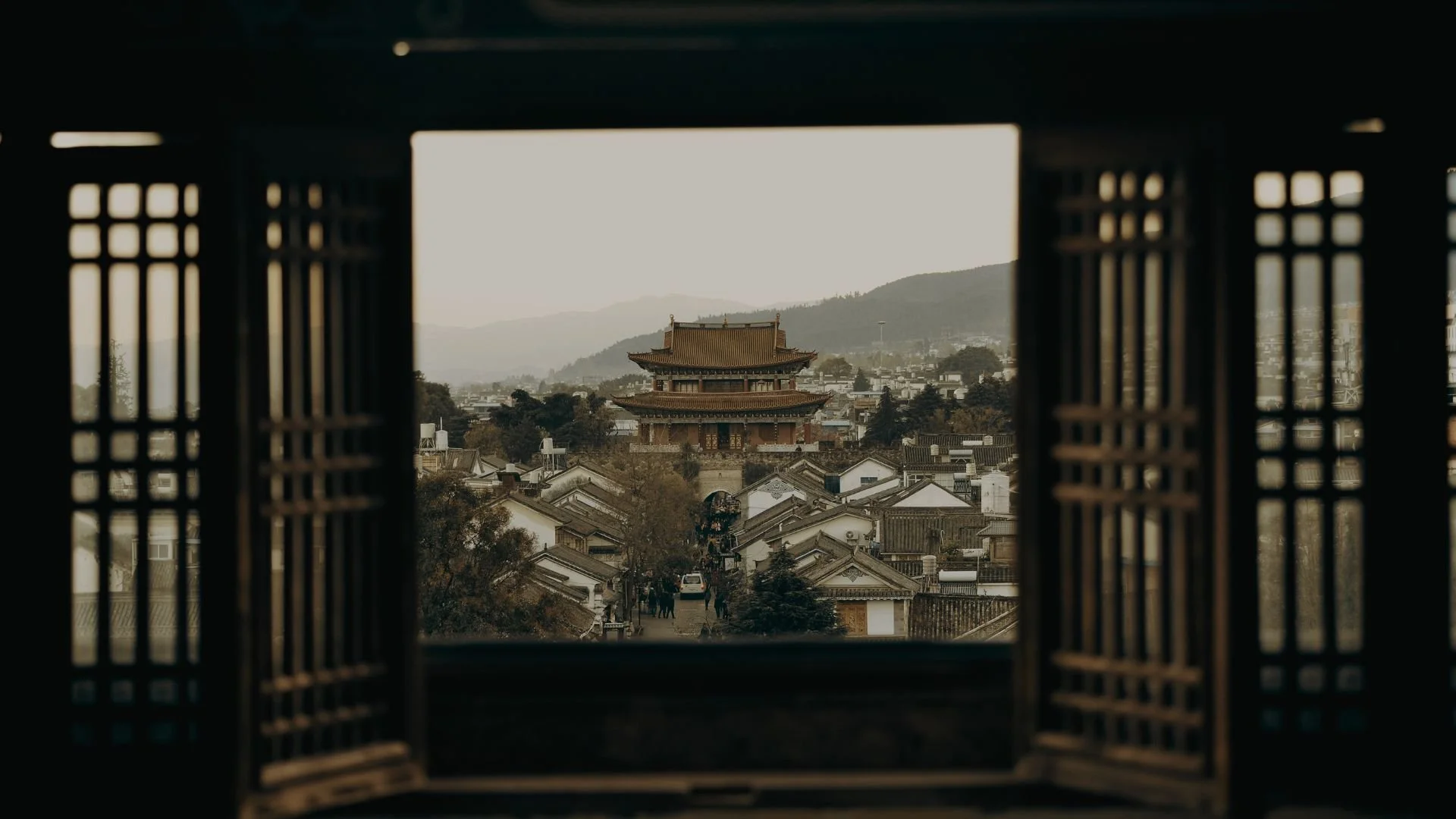
Some countries are defined by a single landmark, a famous city, or a particular landscape.
China defies that simplicity.
Stretching across vast deserts, mountain ranges, river valleys, megacities, and historic towns, China is a country where every region reveals a different chapter of a much larger story. It is a place where centuries-old traditions continue to shape daily life even as some of the world's most ambitious urban developments redefine the future.
This contrast is often what surprises visitors most.
A morning might begin in the shadow of an ancient temple and end beneath a skyline illuminated by cutting-edge architecture. High-speed trains connect cities at remarkable speeds, while historic neighborhoods preserve customs and cultural practices that have endured for generations.
Both experiences feel distinctly Chinese.
The country's history stretches back thousands of years, encompassing powerful dynasties, technological innovations, philosophical traditions, and cultural achievements that continue to influence the modern world. Landmarks such as imperial palaces, historic city walls, temples, and classical gardens provide visible reminders of that legacy.
Yet China is not a country frozen in history.
Over the past several decades, rapid urbanization and economic growth have transformed many of its cities. Places like Shanghai, Shenzhen, and Beijing have become symbols of innovation, infrastructure, and global connectivity. New districts rise alongside historic quarters, creating urban environments where old and new constantly interact.
This coexistence is one of China's defining characteristics.
Rather than replacing the past entirely, many communities continue to build upon it. Traditional festivals remain important cultural events. Regional cuisines preserve centuries of culinary heritage. Local crafts and artistic traditions continue to be practiced even as modern industries expand.
The diversity found across the country is equally remarkable.
Northern China differs significantly from the south. Coastal regions have distinct histories compared to inland provinces. Languages, architectural styles, cuisines, and local customs vary from region to region, creating a cultural landscape that is far more complex than many outsiders realize.
For travelers, this means there is no single "China experience."
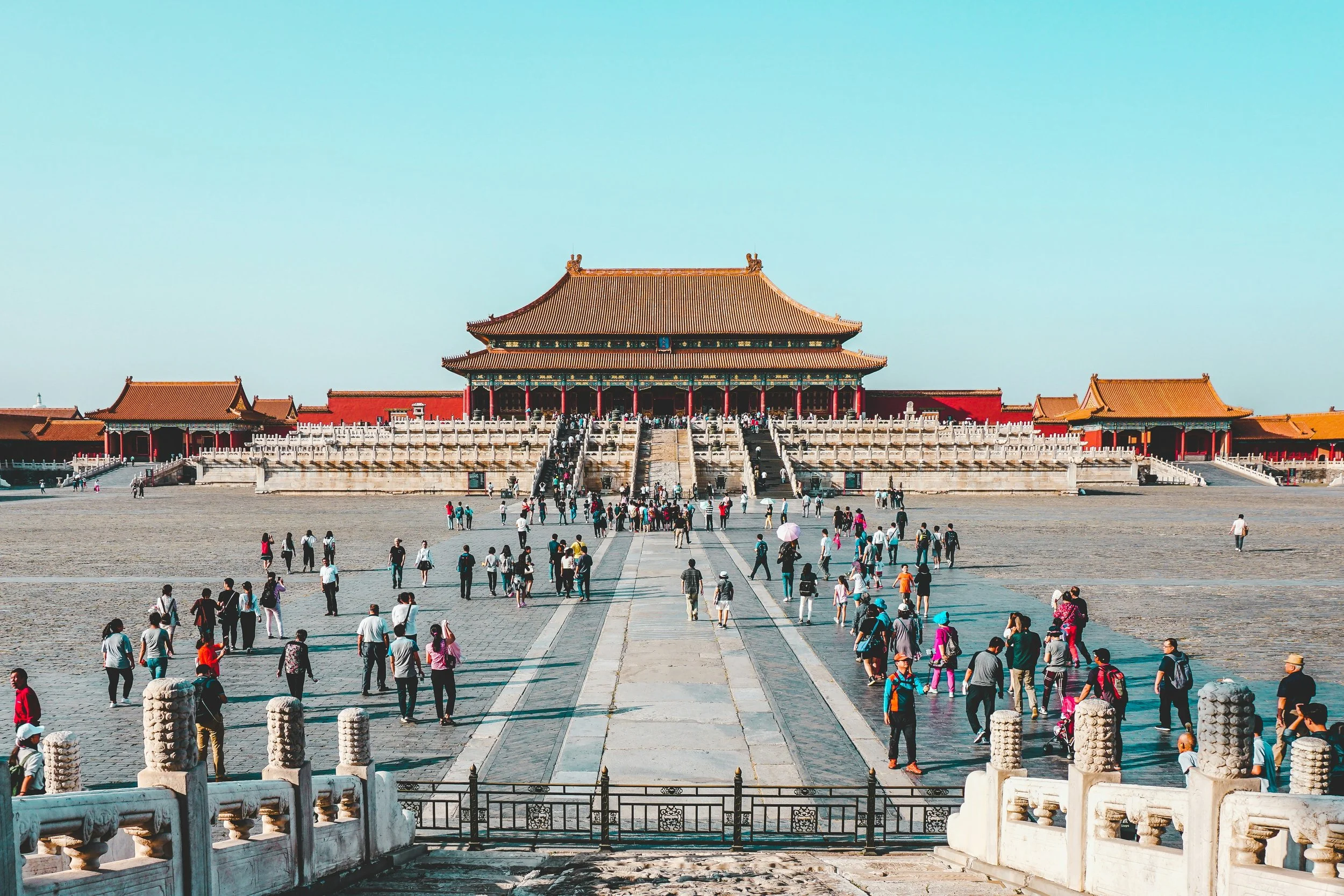
The ancient alleys of Beijing tell a different story from the futuristic streets of Shanghai. Mountain villages offer perspectives that contrast sharply with rapidly growing metropolitan centers. Every destination contributes another layer to understanding the country as a whole.
This diversity has also played an important role in shaping China's identity. Throughout history, trade routes, migration, cultural exchange, and regional traditions have contributed to a national story that continues to evolve.
For Hyperlocal World, China offers an important reminder that places cannot be understood through headlines or landmarks alone. The true character of a country emerges through its neighborhoods, communities, traditions, and everyday experiences.
China's greatest strength may be its ability to contain multiple realities at once.
Ancient and modern.
Traditional and innovative.
Local and global.
These contrasts are not contradictions. They are the forces that have shaped one of the world's most fascinating and influential civilizations.
To explore China is to encounter a country that is constantly changing while remaining deeply connected to its past.
Few places balance those two realities quite as successfully.
