
Akagera: The Water Perspective
There is a specific moment on Lake Ihema when the boat captain cuts the engine and the world suddenly expands. In a standard safari, you are insulated by the metal frame of a Land Cruiser and the crunch of gravel under tires. But on the water, the barrier vanishes. You aren’t just looking at the wild; you are floating in it. The silence is heavy, broken only by the rhythmic, prehistoric huff of a hippo surfacing or the sound of an elephant tearing through papyrus reeds on the shoreline.
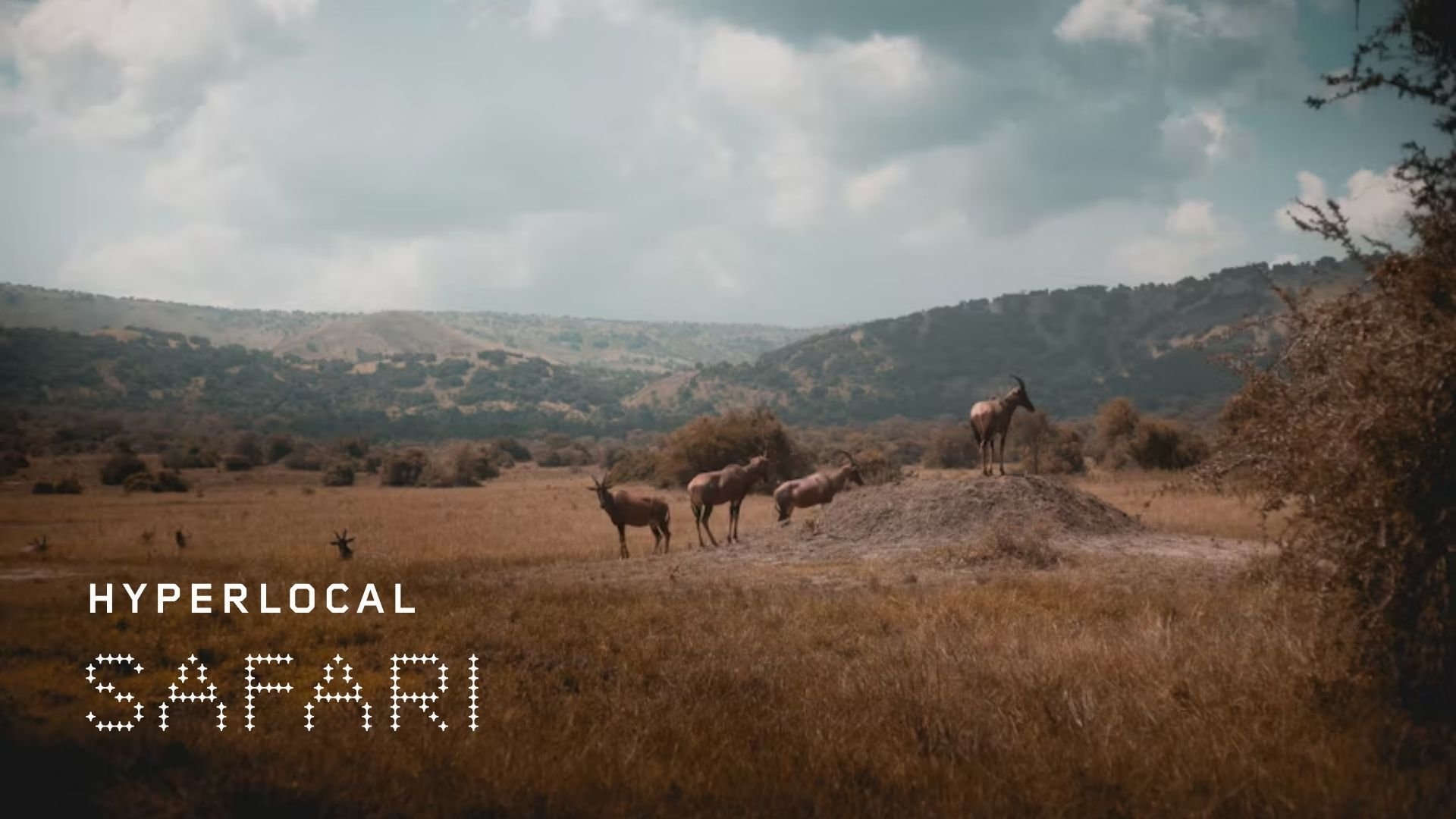
The Eye-Level Encounter
Most people visit Akagera National Park for the "Big Five" and the rolling hills of the north. But the "Hyperlocal" heartbeat of the park is its water system. Lake Ihema is a labyrinth of swamp and open water that forces you into an eye-level encounter with the landscape. From a boat, an elephant doesn't just look large—it looks monumental. You see the mud caked in the wrinkles of its trunk as it drinks just feet away, oblivious to your presence because you aren't a vibrating engine on a dirt track; you’re just another object drifting on the current.
The Mirror of the Savanna
Akagera is a miracle of conservation, a park that was nearly lost to history and has been painstakingly brought back to life. The water safari is the best way to see that success. The shoreline is crowded with life: crocodiles basking like serrated logs, kingfishers hovering with surgical precision, and pods of hippos that watch you with a territorial intensity that a Jeep can’t capture. The water acts as a mirror, reflecting the vast Rwandan sky and the low-slung mountains, creating a visual depth that makes the savanna feel infinite.
The Raw Reality
The reality of Akagera is that it demands a different kind of patience. It’s not about the "chase" for a leopard sighting; it’s about the "drift." It’s about realizing that the most powerful moments in Rwanda happen when you stop moving and let the rhythm of the lake take over. In a country famous for its mountains and gorillas, the aquatic silence of Akagera is the necessary breath of air. It’s a reminder that the wild doesn’t always roar—sometimes, it just ripples.
